If you function around court rooms, building sites, or licensing desks long enough, you start to notice just how typically people use "bond" as if it means one thing. It does not. A guaranty bond and a bail bond share some DNA, but they solve different issues, involve various gamers, and bring very various repercussions when points fail. If you are a specialist bidding process on public work, an entrepreneur applying for a permit, or a relative calling a bondsman at 2 a.m., you need to know which sort of bond you are speaking about and what it binds you to do.
This overview makes use of the mechanics of both systems, the cash streams behind them, and the sides where individuals obtain tripped up. I will certainly use functional instances and ordinary language. The goal is not just to define the terms, yet to help you make far better decisions when a bond is required.
What a bond actually is
A bond is a pledge backed by money that links a void in trust fund. A person requires assurance that an individual or company will certainly do a point. They want more than a handshake. A bond presents a third party that guarantees efficiency or appearance. If the principal falls short, the 3rd party pays the damaged celebration and after that seeks repayment from the principal.
That fundamental structure applies to guaranty bonds and bail bonds. The divergence starts with the objective of the assurance and the regulation that regulates it.
The surety bond triangle: principal, obligee, surety
In a surety bond, three events consent to a contract:
- The principal is the individual or business that have to do something, such as full a building job, follow a license, or remit taxes. The obligee is the celebration that calls for the bond and benefits from it. Think state licensing boards, task owners, or municipalities. The guaranty is an insurance provider or guaranty firm that underwrites the bond and supports the principal's promise.
The principal pays a costs to the guaranty for the bond, typically on a yearly basis for certificate bonds, or a single premium for contract bonds. Premiums commonly range from 0.5 percent to 3 percent of the bond quantity for solid applicants, and higher for weaker credit scores or risky responsibilities. The surety does not expect to pay an insurance claim. It underwrites based upon the principal's capacity and personality. If an insurance claim stands, the guaranty pays the obligee, after that seeks the principal for repayment plus expenses. Surety bonds are not insurance for the principal. They are debt instruments.
Common examples carry different responsibilities:
- License and license bonds: A car dealership or professional purchases a bond as a problem of licensing. The bond guarantees the public that business will certainly follow regulations and, if not, make up damaged parties. Contract bonds: Proposal, performance, and settlement bonds assure that a specialist will recognize a proposal, do the job, and pay subcontractors and suppliers. Court bonds: Administrator, guardian, or appeal bonds make certain court orders are carried out and funds are safeguarded. These are civil, not criminal, obligations.
Everything in the surety world revolves around underwriting the principal's ability to perform. Financial declarations matter. Experience issues. References, work-in-progress schedules, and prior claim history matter.
The bail bond triangular: defendant, court, bondsman
Bail bonds use a similar shape, yet the functions and purpose shift:
- The accused is the person charged with a criminal activity who requires release before trial. The court establishes bond, a buck amount made to inspire the offender to appear in all required hearings. The bail bond representative (bail bondsman) is accredited to publish a surety bond with the court, usually backed by a nationwide guaranty firm, for a charge from the defendant or family.
When a judge establishes bail, it can be money bond or bondable bail. If the defendant can not transfer cash with the court, a bail bond representative can publish a bail bond, guaranteeing the court the full bail quantity if the accused falls short to appear. In return, the agent charges a nonrefundable premium, commonly around 10 percent in numerous states, though laws and market method differ. Some states prohibit commercial bond entirely or restrict it heavily. In those jurisdictions, release generally goes through pretrial solutions, supervised release, or money bail only.
If the defendant appears at every required date, the bond is pardoned when the instance fixes, and the court launches the surety's commitment. The costs is not returned. If the offender skips court, the court can waive the bond. The bail bondsman after that has a home window to find and give up the accused. This is where recuperation agents can be found in, based on stringent guidelines that vary by state. If the home window closes without abandonment, the court converts loss to a judgment and needs full repayment. The bail bondsman pays the court, after that looks for reimbursement from the defendant and any type of indemnitors who signed the bond paperwork.
Unlike most surety items, bail bonds run hot. They are brief term, high touch, and high threat. Feeling is baked into the transaction. Collateral is common. So is the need to discuss effects to individuals that have never stepped into a courthouse.
Same skeletal system, various goals
Surety bonds and bail bonds both transfer threat to a third party for a price. From there, the courses diverge.
- Who is being secured: Surety bonds secure an obligee or the public against nonperformance or violations. Bail bonds secure the court's process by safeguarding appearances. What causes a case: Guaranty declares emerge from agreement violations, regulatory offenses, or fiduciary failures. Bail asserts emerge from failing to appear. How premiums are set: Guaranty costs reflect underwriting, credit, and extent of obligation. Bail costs are often controlled and linked to the bond quantity, with underwriting focused on flight risk. How long they last: License bonds can compete years. Efficiency bonds track the life of a task. Bail bonds typically run from arrest to personality, which can be weeks to several months depending on the docket. What takes place after an insurance claim: In guaranty, the surety may arrange conclusion, discuss with belows, or clear up with the obligee, then recover from the principal. In bond, the bondsman hunts for the defendant or pays the forfeiture, after that collects from indemnitors.
The similarities can deceive beginners. I have actually seen specialists ask a bail agency about a license bond. I have seen defendants' family members call an insurance coverage broker for assist with a bail costs. The solution is comprehending which system you are in.
Money flows and collateral
Follow the cash to see the differences in risk.
With a surety bond, a primary pays a premium that might be a small portion of the bond amount. For a $100,000 professional license bond, a clean-credit principal could pay a couple of hundred bucks each year. For a $10 million performance bond, a regular costs may run 1 percent to 3 percent based on the specialist's monetary problem, job complexity, and performance history. Collateral is unusual for permit bonds however can show up in hard cases. For large or marginal agreement bonds, guaranties may need funds control, joint check contracts, and even collateral like letters of debt. The surety's much deeper security is indemnity. Principals and frequently their owners authorize a general indemnity agreement that approves the surety choice to company and individual possessions if a case occurs.
With a bail bond, the premium is higher relative to the responsibility and is normally nonrefundable. For a $50,000 bail, a typical costs may be $5,000 in a jurisdiction that permits a 10 percent price. The bondsman often calls for collateral to cover the complete direct exposure, such as a lien on an automobile or a deed of trust on property, plus one or more indemnitors with secure employment. Payment plans prevail however come with tight timelines and late charges. The bail representative finances promptly, in some cases within an hour, focused on ties to the area, prior warrants, and the chances of appearance.
These different financial frameworks speak to that births threat. Surety business depend on underwriting and contractual indemnity, handle claims over weeks or months, and usually salvage value by completing a job or fixing an offense. Bail agents face unexpected, binary risk: appear and the bond pardons, miss court and the clock begins. They mitigate by picking clients, securing collateral, and scooting when a forfeit occurs.
How courts deal with each bond
Courts rest at the center of both systems, yet in extremely different roles.
In the guaranty context, courts appear when disagreements occur. A public entity could declare a specialist in default and make a case on a performance bond. The surety then explores. If there is a dispute over whether a default occurred or what remedy is proper, litigation can adhere to. Courts also require fiduciary bonds for guardianships, estates, or allures. The court's objective is to secure assets and ensure compliance, not to safeguard appearances.
In the bond context, the court literally holds the bond. The clerk records the bond, concerns bond loss, and regulations on exoneration. Timelines are strict. In many states, the bail bondsman has 90 days to create the accused after a forfeiture, in some cases with expansions for good cause. Judges apply those deadlines with an eye towards public security and the honesty of the docket. That is why the court will think about factors like unyielding failure to show up, hospitalization, imprisonment in an additional jurisdiction, or death before transforming forfeit to a judgment.
Understanding the court's rhythm aids. I have actually watched bonds conserved since advice submitted a timely motion with evidence that an offender was in safekeeping in other places. I have actually additionally seen forfeits stand when no one showed up with documentation. In guaranty conflicts, I have actually seen cases shrink when a contractor gave the surety accessibility to job records very early and mapped a completion plan. Silence helps no one.
Practical examples that make clear the line
Take a small automobile dealer in a state that calls for a $25,000 https://troyuzhq714.huicopper.com/the-function-of-a-bondsman-explained permit bond. The bond assures the supplier will adhere to labeling, tax, and consumer security legislations. If the supplier stops working to move title or damage odometers, a consumer can declare on the bond. The surety checks out, pays valid claims up to the bond quantity in accumulation, after that looks for payment from the dealer. The bond continues to be effectively year to year as long as the supplier restores it, frequently with a yearly premium of a few hundred dollars.
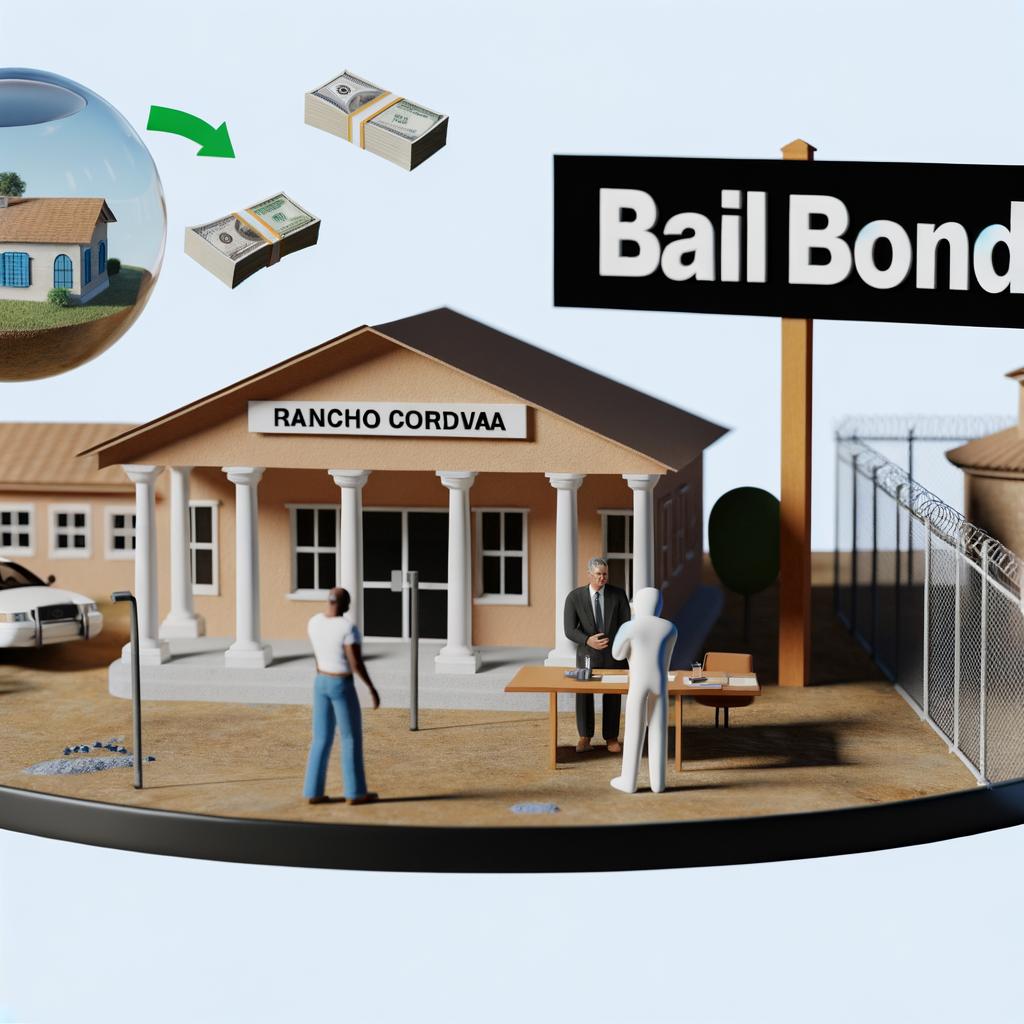
Contrast that with a 28-year-old defendant billed with a nonviolent felony. Bail is evaluated $30,000. The family calls a bail bond agency. After a fast check of employment and previous failures to appear, the representative accepts write the bond for a $3,000 premium, plus a lien on a paid-off car. The defendant should check in once a week and attend every hearing. If the accused misses a court day, the agent has a defined period to give up the defendant or pay the $30,000. The state does not soak up the loss. The bondsman does, then goes after the household for reimbursement if the bond is transformed to a judgment.
Or think about a public jobs task with a $5 million efficiency bond and a $2.5 million settlement bond. Midway through, the contractor runs into capital problem. The surety action in after a formal default. Options consist of funding the service provider to complete, tendering a replacement professional, or taking over and completing the work. The surety's aim is to please the obligee at the most affordable overall price and protect legal rights of recovery. Even when the obligee rages, a structured completion plan can save months and millions. None of that has an analogue in the bail world.
Where people get burned
Patterns repeat.
- Mistaking insurance coverage for defense: Principals sometimes treat a surety bond like insurance policy. It is not. If a surety pays a case, anticipate a need letter the exact same week. Payment includes principal, interest, and case expenses. Ignoring underwriting: For contract bonds, weak financials push premiums up or closed doors altogether. I have actually seen expanding professionals hit a wall surface due to the fact that they underinvested in bookkeeping. Timely, precise monetary statements unlock capacity. Sloppy publications do the opposite. Shopping bail on price alone: A reduced bail premium can be a red flag if it goes against state regulation. If a price appears too great, ask exactly how the company is complying with regulations and what security is needed. A trusted bondsman will certainly clarify the contract line by line. Delaying communication: In bond matters, hours issue. If a defendant misses out on court by chance, calling the bail bondsman and advice right away can conserve the bond. Waiting a week often makes it even worse. In guaranty matters, notifying the guaranty early when difficulty brews gives you more alternatives and shows excellent faith.
It is additionally worth noting the policy backdrop. Some states have curtailed money bail and business bail bonds, especially for low-level offenses. That shifts the landscape for defendants and bondsmen alike. On the surety side, public owners keep tightening up bonding needs to cover even more risks, such as subcontractor default insurance coverage alternatives or expanded service warranty responsibilities. The guidelines are not static.
The paperwork that lugs the load
The bond kind is not filler. It specifies the warranty and just how cases work.
Surety kinds vary extensively. An efficiency bond kind might be a basic AIA paper or a personalized owner-drafted kind with burdensome terms. Triggers, notice demands, and remedies live in those paragraphs. I have actually seen a contractor authorize a bond form that forgoed defenses and allowed the owner to proclaim default with almost no cure duration. That error expense seven figures. Always review the kind and discuss terms upstream, prior to the bid.
License bond types are often dictated by the state. They mention the bond amount, collective responsibility, and that can claim. Some forms enable straight customer cases. Others path declares through the licensing agency. Revival terms and termination arrangements matter. A common form enables the guaranty to terminate with 1 month' notice to the obligee, but the principal remains accountable for acts that took place while the bond remained in force.
Bail bond paperwork is dense however standardized within territories. It includes the bond itself, a costs arrangement, indemnity contracts, security papers, and disclosure forms required by state regulation. Read the indemnity arrangement. If you sign as an indemnitor, you get on the hook for the full forfeiture, costs of healing, and fees. Ask how security will certainly be held, when it will certainly be launched, and what events expand the bond. Maintain copies. Courts and companies can misplace filings.
How to pick the right partner
Bonds are partnerships, not simply deals. Select well and most troubles get easier.
- For guaranty bonds, look for a guaranty with a strong score and a performance history in your sector. Your agent matters too. A broker that focuses on guaranty can prepare your entry, present your financials in the best light, and protected terms that match your risk. Ask about underwriting hunger, bond limitations, and exactly how claims are handled. For bail bonds, focus on validity, transparency, and responsiveness. Validate the representative's license. Validate the premium price allowed in your state and how it is computed. Ask about check-in requirements, security terms, and what happens if a court day modifications. An excellent bail bondsman responds to the phone after hours and understands the peculiarities of the regional jail and court.
Both relationships grow on sincerity. If your cash flow is limited, say so. If your cousin may disappoint up for court, say so. Surprises are what transform small issues right into expensive ones.
Edge cases that blur the line
A couple of scenarios rest near to the boundary.
Court bonds that emerge in civil litigation can appear like guaranty bonds but feel more like bond in seriousness. A charm bond, for instance, stays enforcement of a money judgment while an instance is on allure. Courts anticipate the bond to match the judgment plus passion and costs, occasionally 125 percent or more. Guaranties might require collateral in cash money or a letter of credit also from economically solid applicants, because the exposure is specified and prompt if the allure falls short. The underwriting is fast and exacting.
On the bond side, some territories enable unsafe look bonds where the accused promises to pay if they fall short to show up, without going through a business bond representative. That looks like surety without the expert, however the enforcement is still criminal procedure. Other territories make use of supervised release with coverage, general practitioner monitoring, or medicine testing instead of financial bail. None of these are surety bonds, however they offer the same court goal: securing appearances.
Then there are big construction tasks that call for subcontractors to publish subcontract bonds to the prime professional. When those bonds are set off, the surety may end up functioning side by side with project supervisors to keep a critical course intact. It is not unusual to see a surety pay belows directly, get materials, or bargain change orders to maintain a job. In those weeks, the guaranty looks less like an insurance provider and more like a turn-around consultant.
What to anticipate if something goes wrong
Trouble examinations systems. Understanding the playbook helps.
If a surety case lands, anticipate a composed notice of claim, an ask for documents, and meetings. The surety will examine whether a default took place under the bound contract or statute. End results include denial of the case, a worked out settlement, or a requisition. The principal ought to select a factor person to take care of communications, produce records promptly, and propose an activity strategy. Acknowledge blunders if they exist, yet protect your civil liberties. Advice who knows surety legislation is worth the fee, specifically on complex defaults.
If a bail loss hits, the clock starts. The bondsman will certainly call, message, and knock. If you are the accused, get to your attorney and bail bondsman right now. Many courts will certainly set aside a loss if the defendant comes back without delay with a great description. If you are an indemnitor and the accused disappears, remain communicative. Bondsmen have more tools than you do to find a person, but they require info. If the home window to leave the forfeit closes, expect a need for the total plus costs. Payment plans are often possible, but the judgment is enforceable.
In both fields, authorizing documents without reading them is the root of regret. So is wishful thinking. If you understand you can not hit a task landmark, suggest a sensible timetable with prices, rather than hoping the proprietor will not observe. If you know a defendant struggles with transportation or child care, build a plan: adventures to court, schedule pointers, and a get in touch with who will check in the day before.
When a bond is not the answer
Sometimes the most effective move is a various tool.
For minor service providers with slim financials, subcontracting under a larger specialist's umbrella can stay clear of prompt bonding requirements while you build capability. For permit problems driven by a single infraction, take care of the underlying trouble before you look for a bond, because a fresh claim will certainly comply with you.
For offenders charged with lower-level offenses, ask counsel about recognizance launch, unsecured bonds, or supervised launch. If you can stay clear of paying a bail bond costs by conference nonmonetary problems, do it. If you must make use of a bail bond, do not over-pledge security you can not manage to shed. Request for a precise stock of what is being secured.
A straightforward side-by-side to secure the differences
- Purpose: Guaranty bonds assure performance or compliance in civil and commercial contexts. Bail bonds ensure appearance in criminal cases. Parties: Guaranty bonds link a principal, obligee, and guaranty. Bail bonds link a defendant, court, and bond agent/surety. Premiums and collateral: Surety costs are risk-based and typically reduced as a percentage, with indemnity main and collateral situational. Bail premiums are generally controlled, greater as a percent, with frequent security and rigorous indemnity. Claim sets off and outcomes: Surety declares come from defaults or offenses and can bring about conclusion, repair services, or settlements to plaintiffs. Bond claims stem from failing to appear and cause forfeit or abandonment of the defendant. Duration: Guaranty commitments can cover months to years. Bail bonds typically last until case disposition, occasionally with routine expansions however seldom past a year unless instances are continued.
This comparison is not about which bond is "much better." They serve different systems. Confusing them risks cash, liberty, or both.
Final judgment from the field
If you keep in mind absolutely nothing else, remember who the bond shields and what actions it is suggested to safeguard. A guaranty bond shields an obligee or the general public from nonperformance and misconduct. A bail bond protects the court's procedure by securing an offender to their looks. Whatever else moves from that distinction.
For companies, treat the surety as a lasting companion. Invest in tidy publications, sensible bids, and truthful communication. The payoff is capability to expand and a surety happy to lean in when a work totters. For families browsing bond, deal with a qualified agency that explains every line you authorize, maintain court days front and facility, and call if anything modifications. The payback is smoother launch and less surprises.
Bonds exist since count on needs scaffolding. Used carefully, they keep tasks developed, licenses sincere, and courtrooms moving. Utilized thoughtlessly, they drain pipes bank accounts and pressure relationships. The difference in between a surety bond and a bail bond is not just vocabulary. It is the difference in between appealing to do the work and assuring to turn up. Both promises issue, and both can be maintained with clear eyes and the ideal help.
ABBA Bail Bonds 900 Avila St STE 101 Los Angeles, CA 90012 (213) 296-0901 https://abbabailbonds.com